

The End of Civility
The End of Civility
Hardback
Couldn't load pickup availability
Join our rewards scheme and earn reward points on this purchase!
Earn points on this!
Sign in or Sign up!- Release Date: 31/07/2023
- Barcode: 9781481319010
- Genre: Philosophy & Spirituality
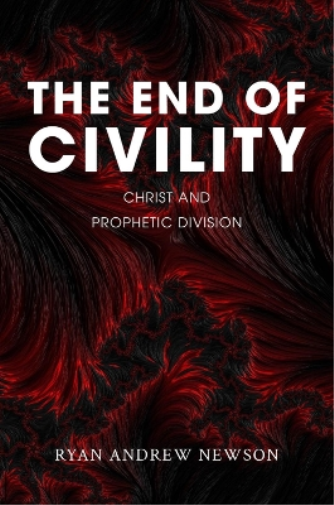

The End of Civility
Couldn't load pickup availability
Collapsible content
DESCRIPTION
Christ and Prophetic Division In The End of Civility, Ryan Andrew Newson analyzes the development of the concept of "civility" as we know it in modern discourse and names some of the criteria Christians can use to judge between healthy and toxic appeals to civility. The challenge, Newson contends, is discerning when civility is called for and when its pursuit becomes vicious. Pleas for civility cannot be assessed without considering the context in which they are made. Some appeals to civility merely seek to lessen conflict, even conflict necessary in the struggle for a more just world. But when issued by people struggling for justice on the margins of society, calls for civility can name the types of conflict that might lead to liberation. One must be attentive to what counts as "civil" in the first place and who gets to make that determination. Which bodies are considered civil and "ordered," and which people are under suspicion of being "uncivil" before they ever say a word? For Christians, civility can never be an ultimate good but remains subordinate to the call to follow Christ--in particular, the Christ who is not always "civil" but who calls people to an ethic of resistance to injustice and solidarity with people who are suffering.
Analyses the development of the concept of ‘civility’ as we know it in modern discourse and names some of the criteria Christians can use to judge between healthy and toxic appeals to civility. The challenge, Ryan Andrew Newson contends, is discerning when civility is called for and when its pursuit becomes vicious.
I have come not to bring peace, but a sword." These words of Christ echo in our current times. In recent years, a growing number of commentators have decried a lack of civility in public discourse. Considered in isolation this concern is innocent enough, but no call for civility happens in a vacuum, and there is good reason to be suspicious of civility in our current political context. Calls for civility can encourage passivity and blunt prophetic action against injustice; further, truly heinous policies can be pursued under the guise of civility. And yet civility should not be dismissed outright, especially as presented by its more nuanced defenders--when it is presented as a limited good in a pluralist society.
DELIVERY & RETURNS
UK Delivery:
- Free delivery on all orders of £10 or more.
- £1.49 delivery fee on orders below £10.
- UK orders are shipped via Royal Mail 2nd Class.
International Delivery:
- Flat rate delivery charges vary by country.
Dispatch and Delivery Times:
- All orders are shipped from our warehouse in Northampton, UK within 48 hours of receipt during working hours.
- UK mainland orders typically arrive within 3-5 working days via Royal Mail 2nd Class.
- International estimated delivery times:
- Europe & Channel Islands: 7 to 10 working days
- USA: 7 to 15 working days
- Rest of the World: 9 to 21 working days
View our full delivery infomation here.
-
OVER
2 MILLION PRODUCTS
-
60 MILLION CUSTOMERS
ACROSS 190 COUNTRIES
You might also like
Loading recommendations...