

Reckoning with Harm
Reckoning with Harm
The Toxic Relations of Oil in Amazonia
Paperback
Couldn't load pickup availability
Join our rewards scheme and earn reward points on this purchase!
Earn points on this!
Sign in or Sign up!- Release Date: 17/10/2023
- Barcode: 9781477327784
- Genre: Society & Culture
- Sub-Genre: Sociology & Anthropology
- Imprint: University of Texas Press
- Publisher: University of Texas Press
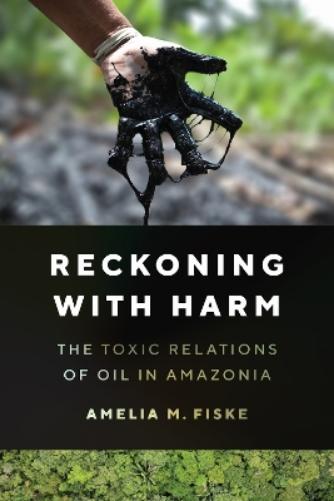

Reckoning with Harm
Couldn't load pickup availability
Collapsible content
DESCRIPTION
The Toxic Relations of Oil in Amazonia An ethnography of the Ecuadorian Amazon that demonstrates the need for a relational, place-based, contingent understanding of harm and toxicity. Reckoning with Harm is a striking ethnographic analysis of the harm resulting from oil extraction. Covering fifty years of settler colonization and industrial transformation of the Ecuadorian Amazon, Amelia Fiske interrogates the relations of harm. She moves between forest-courtrooms and oily waste pits, farms and toxic tours, to explore both the ways in which harm from oil is entangled with daily life and the tensions surrounding efforts to verify and redress it in practice. Attempts to address harm from the oil industry in Ecuador have been consistently confounded by narrow, technocratic understandings of evidence, toxicity, and responsibility. Building on collaborators' work to contest state and oil company insistence that harm is controlled and principally chemical in nature, Fiske shows that it is necessary to refigure harm as relational in order to reckon with unremediated contamination of the past while pushing for broad forms of accountability in the present. She theorizes that harm is both a relationship and an animating feature of relationships in this place, a contingent understanding that is needed to contemplate what comes next when living in a toxic world.
Covering 50 years of settler colonization and industrial transformation of the Ecuadorian Amazon, Fiske interrogates the relations of harm. She moves between forest-courtrooms and oily waste pits, farms and toxic tours, to explore both the ways in which harm from oil is entangled with daily life and the tensions surrounding efforts to verify and redress it in practice.
DELIVERY & RETURNS
UK Delivery:
- Free delivery on all orders of £10 or more.
- £1.49 delivery fee on orders below £10.
- UK orders are shipped via Royal Mail 2nd Class.
International Delivery:
- Flat rate delivery charges vary by country.
Dispatch and Delivery Times:
- All orders are shipped from our warehouse in Northampton, UK within 48 hours of receipt during working hours.
- UK mainland orders typically arrive within 3-5 working days via Royal Mail 2nd Class.
- International estimated delivery times:
- Europe & Channel Islands: 7 to 10 working days
- USA: 7 to 15 working days
- Rest of the World: 9 to 21 working days
View our full delivery infomation here.
-
OVER
2 MILLION PRODUCTS
-
60 MILLION CUSTOMERS
ACROSS 190 COUNTRIES
You might also like
Loading recommendations...