

Drawing as Placemaking
Drawing as Placemaking
Environment, History and Identity
Hardback
Couldn't load pickup availability
Join our rewards scheme and earn reward points on this purchase!
Earn points on this!
Sign in or Sign up!- Release Date: 19/02/2026
- Barcode: 9781350457041
- Imprint: Bloomsbury
- Publisher: Bloomsbury Publishing

Drawing as Placemaking
Couldn't load pickup availability
Collapsible content
DESCRIPTION
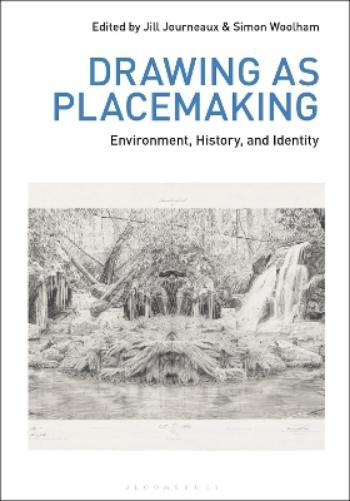
Environment, History and Identity Using a combination of articles and interviews, the book introduces nine contemporary drawing projects that embrace an expansive definition of the discipline, and use their drawing practice to consider how place is understood and made.
Through nine chapters written by artists and ten conversations with artists, the book examines contemporary drawing practices which engage with sites of history, the environment and narrative, with a focus on experiences of placemaking.
Drawing as Placemaking focuses on how drawings and drawing processes can examine and articulate our relationships to placemaking, to our concepts of home, to historical and memorial sites, to our personal histories, and to imagined and actual places.
The contributing artists (from the USA, Canada, Portugal, Germany, Turkey, Japan, New Zealand, Australia and the UK) use expanded drawing approaches to present different perspectives on how drawings are made, and how they can be used to describe, analyse, reimagine, transform and to make new actual, historical, and psychological places. The artist-authored chapters and the conversations with artists are interwoven to facilitate broader conversations about our human interactions with place, through all our senses; what we can see, touch, feel and hear, alongside what we know, theorise or imagine. The re-evaluation of placemaking from a range of cultural perspectives highlights new stories whilst reconsidering older ones.
The book reveals new and contemporary insights into the long historical connection between drawing and placemaking and contributes to new debates around placemaking. It offers a deeper understanding of how we use drawing to better define ourselves and our place in the world.
ADDITIONAL DETAILS
DELIVERY & RETURNS
UK Delivery:
- Free delivery on all orders of £10 or more.
- £1.49 delivery fee on orders below £10.
- UK orders are shipped via Royal Mail 2nd Class.
International Delivery:
- Flat rate delivery charges vary by country.
Dispatch and Delivery Times:
- All orders are shipped from our warehouse in Northampton, UK within 48 hours of receipt during working hours.
- UK mainland orders typically arrive within 3-5 working days via Royal Mail 2nd Class.
- International estimated delivery times:
- Europe & Channel Islands: 7 to 10 working days
- USA: 7 to 15 working days
- Rest of the World: 9 to 21 working days
View our full delivery infomation here.
-
OVER
2 MILLION PRODUCTS
-
60 MILLION CUSTOMERS
ACROSS 190 COUNTRIES
You might also like
Loading recommendations...