

1
of
1
Apalachicola Valley Archaeology
Apalachicola Valley Archaeology
The Late Woodland Period Through Recent History, Volume 2
Paperback
Regular price
£32.65
Regular price
Sale price
£32.65
Unit price
/
per
Couldn't load pickup availability
Join our rewards scheme and earn reward points on this purchase!
Earn points on this!
Sign in or Sign up!- Release Date: 01/05/2024
- Barcode: 9780817361310
- Genre: History
- Sub-Genre: Archaeology
- Imprint: University of Alabama Press
- Publisher: The University of Alabama Press
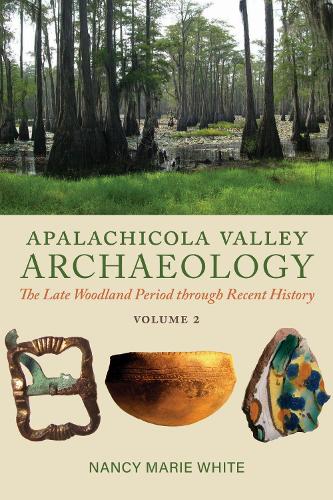

Apalachicola Valley Archaeology
Couldn't load pickup availability
Collapsible content
DESCRIPTION
DELIVERY & RETURNS
UK Delivery:
- Free delivery on all orders of £10 or more.
- £1.49 delivery fee on orders below £10.
- UK orders are shipped via Royal Mail 2nd Class.
International Delivery:
- Flat rate delivery charges vary by country.
Dispatch and Delivery Times:
- All orders are shipped from our warehouse in Northampton, UK within 48 hours of receipt during working hours.
- UK mainland orders typically arrive within 3-5 working days via Royal Mail 2nd Class.
- International estimated delivery times:
- Europe & Channel Islands: 7 to 10 working days
- USA: 7 to 15 working days
- Rest of the World: 9 to 21 working days
View our full delivery infomation here.
-
OVER
2 MILLION PRODUCTS
-
60 MILLION CUSTOMERS
ACROSS 190 COUNTRIES
You might also like
1
/
of
8
Loading recommendations...