

Imagining Otherwise
Imagining Otherwise
How Readers Help to Write Nineteenth-Century Novels
Hardback
Couldn't load pickup availability
Join our rewards scheme and earn 258 reward points on this purchase!
Earn 258 points on this!
Sign in or Sign up!- Release Date: 13/08/2024
- Barcode: 9780691260419
- Genre: Poetry & Drama
- Sub-Genre: Literary Criticism
- Imprint: Princeton University Press
- Publisher: Princeton University Press
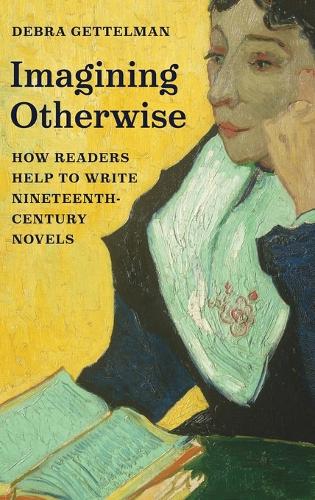

Imagining Otherwise
Couldn't load pickup availability
Collapsible content
DESCRIPTION
How Readers Help to Write Nineteenth-Century Novels How Victorian authors engaged the imaginations of their readers and elevated the novel to new heights
As novel publication exploded in nineteenth-century Britain, writers such as Jane Austen, Charles Dickens, and George Eliot learned from experience—sometimes grudgingly—that readers tend to make their own imaginative contributions to fictional worlds. Imagining Otherwise shows how Victorian writers acknowledged, grappled with, and ultimately enlisted the prerogative of readers to conjure alternatives and add depth to the words on the page.
Debra Gettelman provides incisive new readings of novels such as Sense and Sensibility, Little Dorrit, and Middlemarch, exploring how novelists known for prescriptive and didactic narrative voices were at the same time exploring the aesthetic potential for the reader’s independent imagination to lend nuance and authenticity to fiction. Modernist authors of the twentieth century have long been considered pioneers in cultivating the reader’s capacity to imagine what is not said as part of the art of fiction. Gettelman uncovers the roots of this tradition of novel reading a century earlier and challenges literary criticism that dismisses this spontaneous, readerly impulse as being unworthy of serious examination.
As readers demand novels with relatable characters and fan fiction grows in popularity, the reader’s imagination has become a determining element of today’s literary environment. Imagining Otherwise takes a deeper look at this history, offering a critical perspective on how we came to view fiction as a site of imaginative appropriation.
DELIVERY & RETURNS
UK Delivery:
- Free delivery on all orders of £10 or more.
- £1.49 delivery fee on orders below £10.
- UK orders are shipped via Royal Mail 2nd Class.
International Delivery:
- Flat rate delivery charges vary by country.
Dispatch and Delivery Times:
- All orders are shipped from our warehouse in Northampton, UK within 48 hours of receipt during working hours.
- UK mainland orders typically arrive within 3-5 working days via Royal Mail 2nd Class.
- International estimated delivery times:
- Europe & Channel Islands: 7 to 10 working days
- USA: 7 to 15 working days
- Rest of the World: 9 to 21 working days
View our full delivery infomation here.
-
OVER
2 MILLION PRODUCTS
-
60 MILLION CUSTOMERS
ACROSS 190 COUNTRIES
You might also like
Loading recommendations...