

Lining Out the Word
Lining Out the Word
Hardback
Couldn't load pickup availability
Join our rewards scheme and earn reward points on this purchase!
Earn points on this!
Sign in or Sign up!- Release Date: 27/06/2006
- Barcode: 9780520234482
- Genre: Philosophy & Spirituality
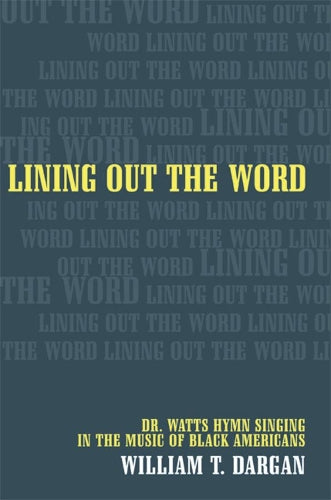

Lining Out the Word
Couldn't load pickup availability
Collapsible content
DESCRIPTION
Dr. Watts Hymn Singing in the Music of Black Americans
Traces the history of lining out from the time of slavery, when African American slaves adapted the practice for their own uses, blending it with other music, such as work songs. This book explores the role of lining out in worship and pursues the cultural implications of this practice far beyond the limits of the church.
This book, a milestone in American music scholarship, is the first to take a close look at an important and little-studied component of African American music, one that has roots in Europe, but was adapted by African American congregations and went on to have a profound influence on music of all kinds - from gospel to soul to jazz. 'Lining out', also called Dr. Watts hymn singing, refers to hymns sung to a limited selection of familiar tunes, intoned a line at a time by a leader and taken up in turn by the congregation. From its origins in seventeenth-century England to the current practice of lining out among some Baptist congregations in the American South today, William Dargan's study illuminates a unique American music genre in a richly textured narrative that stretches from Isaac Watts to Aretha Franklin and Ornette Coleman. "Lining Out the Word" traces the history of lining out from the time of slavery, when African American slaves adapted the practice for their own uses, blending it with other music, such as work songs.Dargan explores the role of lining out in worship and pursues the cultural implications of this practice far beyond the limits of the church, showing how African Americans wove African and European elements together to produce a powerful and unique cultural idiom. Drawing from an extraordinary range of sources - including his own fieldwork and oral sources - Dargan offers a compelling new perspective on the emergence of African American music in the United States.
DELIVERY & RETURNS
UK Delivery:
- Free delivery on all orders of £10 or more.
- £1.49 delivery fee on orders below £10.
- UK orders are shipped via Royal Mail 2nd Class.
International Delivery:
- Flat rate delivery charges vary by country.
Dispatch and Delivery Times:
- All orders are shipped from our warehouse in Northampton, UK within 48 hours of receipt during working hours.
- UK mainland orders typically arrive within 3-5 working days via Royal Mail 2nd Class.
- International estimated delivery times:
- Europe & Channel Islands: 7 to 10 working days
- USA: 7 to 15 working days
- Rest of the World: 9 to 21 working days
View our full delivery infomation here.
-
OVER
2 MILLION PRODUCTS
-
60 MILLION CUSTOMERS
ACROSS 190 COUNTRIES
You might also like
Loading recommendations...