

The Long Shadow of Default
The Long Shadow of Default
Britain’s Unpaid War Debts to the United States, 1917-2020
Hardback
Couldn't load pickup availability
Join our rewards scheme and earn reward points on this purchase!
Earn points on this!
Sign in or Sign up!- Release Date: 24/01/2023
- Barcode: 9780300247183
- Genre: History
- Sub-Genre: History of the Americas
- Imprint: Yale University Press
- Publisher: Yale University Press
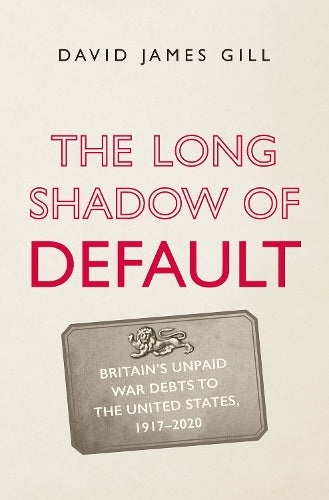

The Long Shadow of Default
Couldn't load pickup availability
Collapsible content
DESCRIPTION
Britain’s Unpaid War Debts to the United States, 1917-2020
Rethinking the causes and consequences of Britain’s default on its First World War debts to the United States of America
Rethinking the causes and consequences of Britain’s default on its First World War debts to the United States of America
The Long Shadow of Default focuses on an important but neglected example of sovereign default between two of the wealthiest and most powerful democracies in modern history. The United Kingdom accrued considerable financial debts to the United States during and immediately after the First World War. In 1934, the British government unilaterally suspended payment on these debts. This book examines why the United Kingdom was one of the last major powers to default on its war debts to the United States and how these outstanding obligations affected political and economic relations between both governments.
The British government’s unpaid debts cast a surprisingly long shadow over policymaking on both sides of the Atlantic. Memories of British default would limit transatlantic cooperation before and after the Second World War, inform Congressional debates about the economic difficulties of the 1970s, and generate legal challenges for both governments up until the 1990s. More than a century later, the United Kingdom’s war debts to the United States remain unpaid and outstanding.
David James Gill provides one of the most detailed historical analyses of any sovereign default. He brings attention to an often-neglected episode in international history to inform, refine, and sometimes challenge the wider study of sovereign default.
ADDITIONAL DETAILS
DELIVERY & RETURNS
UK Delivery:
- Free delivery on all orders of £10 or more.
- £1.49 delivery fee on orders below £10.
- UK orders are shipped via Royal Mail 2nd Class.
International Delivery:
- Flat rate delivery charges vary by country.
Dispatch and Delivery Times:
- All orders are shipped from our warehouse in Northampton, UK within 48 hours of receipt during working hours.
- UK mainland orders typically arrive within 3-5 working days via Royal Mail 2nd Class.
- International estimated delivery times:
- Europe & Channel Islands: 7 to 10 working days
- USA: 7 to 15 working days
- Rest of the World: 9 to 21 working days
View our full delivery infomation here.
-
OVER
2 MILLION PRODUCTS
-
60 MILLION CUSTOMERS
ACROSS 190 COUNTRIES
You might also like
Loading recommendations...