

The Dissent Papers
The Dissent Papers
Book
Couldn't load pickup availability
Join our rewards scheme and earn reward points on this purchase!
Earn points on this!
Sign in or Sign up!- Release Date: 24/01/2012
- Barcode: 9780231158725
- Genre: Society & Culture
- Subgenre: Social Sciences
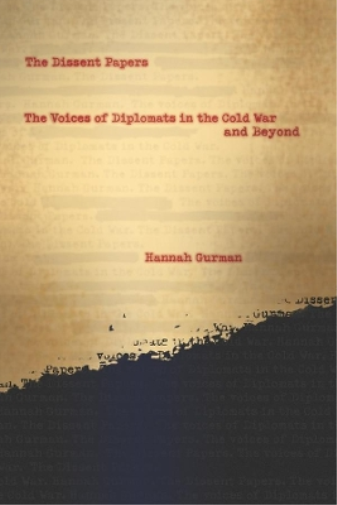

The Dissent Papers
Couldn't load pickup availability
Collapsible content
DESCRIPTION
The Voices of Diplomats in the Cold War and Beyond. Beginning with the Cold War and concluding with the 2003 invasion of Iraq, Hannah Gurman explores the overlooked opposition of U.S. diplomats to American foreign policy in the latter half of the twentieth century. During America's reign as a dominant world power, U.S. presidents and senior foreign policy officials largely ignored or rejected their diplomats' reports, memos, and telegrams, especially when they challenged key policies relating to the Cold War, China, and the wars in Vietnam and Iraq. The Dissent Papers recovers these diplomats' invaluable perspective and their commitment to the transformative power of diplomatic writing. Gurman showcases the work of diplomats whose opposition enjoyed some success. George Kennan, John Stewart Service, John Paton Davies, George Ball, and John Brady Kiesling all caught the attention of sitting presidents and policymakers, achieving temporary triumphs yet ultimately failing to change the status quo. Gurman follows the circulation of documents within the State Department, the National Security Council, the C.I.A., and the military, and she details the rationale behind "The Dissent Channel," instituted by the State Department in the 1970s, to both encourage and contain dissent.Advancing an alternative narrative of modern U.S. history, she connects the erosion of the diplomatic establishment and the weakening of the diplomatic writing tradition to larger political and ideological trends while, at the same time, foreshadowing the resurgent significance of diplomatic writing in the age of Wikileaks.
ADDITIONAL DETAILS
DELIVERY & RETURNS
UK Delivery:
- Free delivery on all orders of £10 or more.
- £1.49 delivery fee on orders below £10.
- UK orders are shipped via Royal Mail 2nd Class.
International Delivery:
- Flat rate delivery charges vary by country.
Dispatch and Delivery Times:
- All orders are shipped from our warehouse in Northampton, UK as soon as stock is available.
- UK mainland orders typically arrive within 3-7 working days via Royal Mail 2nd Class.
- International estimated delivery times:
- Europe & Channel Islands: 7 to 10 working days
- USA: 7 to 15 working days
- Rest of the World: 9 to 30 working days
View our full delivery infomation here.
-
OVER
2 MILLION PRODUCTS
-
60 MILLION CUSTOMERS
ACROSS 190 COUNTRIES
You might also like
Loading recommendations...