

African Perspectives on Poverty, Indigenous Knowledge Systems, and Innovation
African Perspectives on Poverty, Indigenous Knowledge Systems, and Innovation
Hardback
Couldn't load pickup availability
Join our rewards scheme and earn reward points on this purchase!
Earn points on this!
Sign in or Sign up!- Release Date: 16/11/2022
- Barcode: 9789811958557
- Imprint: Springer
- Publisher: Springer
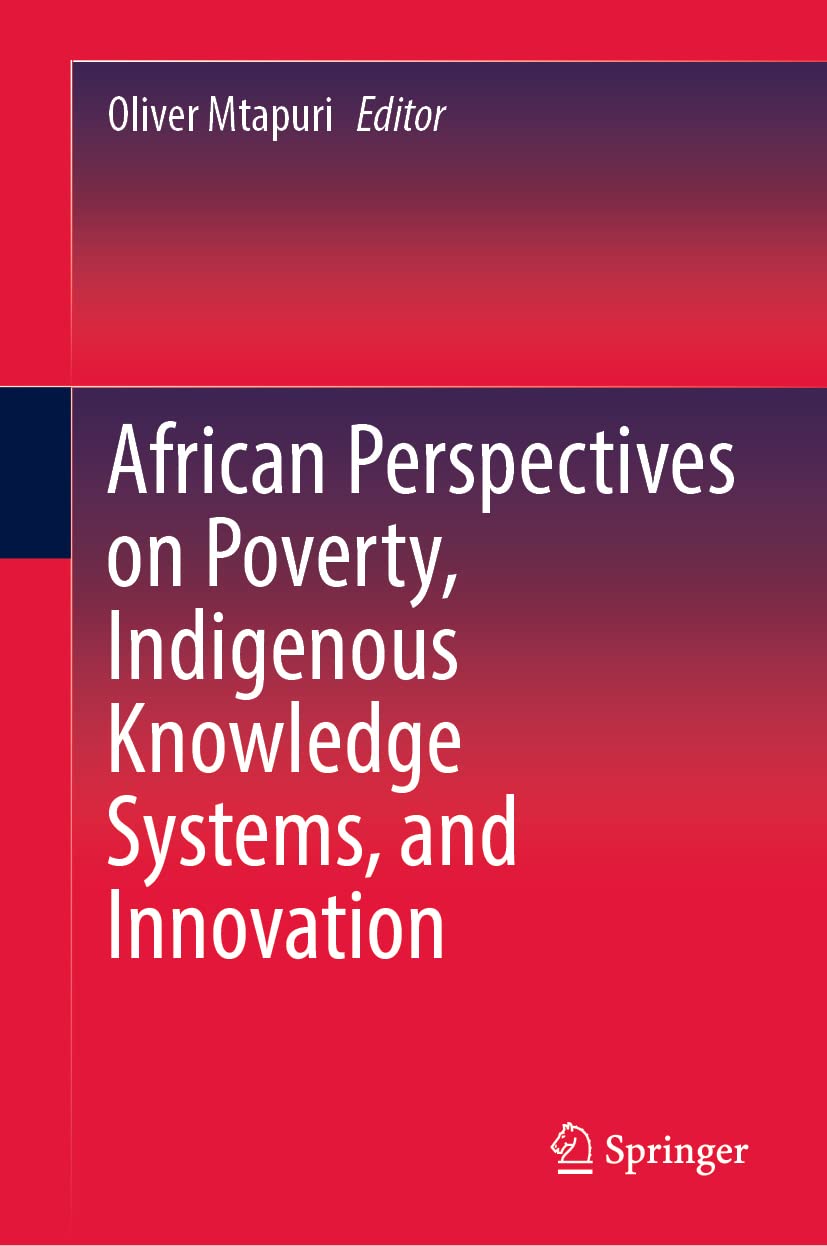

African Perspectives on Poverty, Indigenous Knowledge Systems, and Innovation
Reprint
Couldn't load pickup availability
Collapsible content
DESCRIPTION
It reflects on comparative practices and praxes on the African continent, including commonplace traditions and practices in alleviating poverty, taken against a background of the failure of current prescriptions for poverty alleviation, such as the Structural Adjustment Programmes (SAPs) and the Poverty Reduction Strategy Papers (PRSP).
ADDITIONAL DETAILS
DELIVERY & RETURNS
UK Delivery:
- Free delivery on all orders of £10 or more.
- £1.49 delivery fee on orders below £10.
- UK orders are shipped via Royal Mail 2nd Class.
International Delivery:
- Flat rate delivery charges vary by country.
Dispatch and Delivery Times:
- All orders are shipped from our warehouse in Northampton, UK within 48 hours of receipt during working hours.
- UK mainland orders typically arrive within 3-5 working days via Royal Mail 2nd Class.
- International estimated delivery times:
- Europe & Channel Islands: 7 to 10 working days
- USA: 7 to 15 working days
- Rest of the World: 9 to 21 working days
View our full delivery infomation here.
-
OVER
2 MILLION PRODUCTS
-
60 MILLION CUSTOMERS
ACROSS 190 COUNTRIES
You might also like
Loading recommendations...