

Code of Practice for Electrical Energy Storage Systems
Code of Practice for Electrical Energy Storage Systems
Paperback
Couldn't load pickup availability
Join our rewards scheme and earn reward points on this purchase!
Earn points on this!
Sign in or Sign up!- Release Date: 12/02/2021
- Barcode: 9781839530418
- Genre: Technology & Engineering
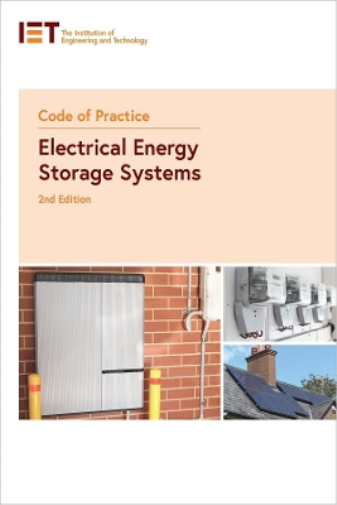

Code of Practice for Electrical Energy Storage Systems
Couldn't load pickup availability
Collapsible content
DESCRIPTION
This Code of Practice is an excellent reference for practitioners on the safe, effective and competent application of electrical energy storage systems. It provides detailed information on the specification, design, installation, commissioning, operation and maintenance of an electrical energy storage system. Electrical Energy Storage Systems (EESS) provide storage of electrical energy so that it can be used later. EESS may be installed for a variety of reasons, for example increasing the 'self-consumption' of buildings fitted with renewable energy systems; arbitrage services; ancillary services and providing a back-up or alternative power supply. This Code of Practice looks at EESS applications and provides information for practitioners to safely and effectively specify, design, install, commission, operate and maintain a system. The scope of this Code of Practice includes EESS intended for fixed installation applications including: and covers: This second edition of the Code of Practice builds on the first edition and provides the most up-to-date guidance to help support the growth of the electrical energy storage market. It has been updated to take account of developments in the industry, progress in standardization and address emerging technical challenges such as arc flash risk assessments.
DELIVERY & RETURNS
UK Delivery:
- Free delivery on all orders of £10 or more.
- £1.49 delivery fee on orders below £10.
- UK orders are shipped via Royal Mail 2nd Class.
International Delivery:
- Flat rate delivery charges vary by country.
Dispatch and Delivery Times:
- All orders are shipped from our warehouse in Northampton, UK within 48 hours of receipt during working hours.
- UK mainland orders typically arrive within 3-5 working days via Royal Mail 2nd Class.
- International estimated delivery times:
- Europe & Channel Islands: 7 to 10 working days
- USA: 7 to 15 working days
- Rest of the World: 9 to 21 working days
View our full delivery infomation here.
-
OVER
2 MILLION PRODUCTS
-
60 MILLION CUSTOMERS
ACROSS 190 COUNTRIES
You might also like
Loading recommendations...