

Women, Dance and Parish Religion in England, 1300-1640
Women, Dance and Parish Religion in England, 1300-1640
Negotiating the Steps of Faith
Paperback
Couldn't load pickup availability
Join our rewards scheme and earn reward points on this purchase!
Earn points on this!
Sign in or Sign up!- Release Date: 24/06/2025
- Barcode: 9781837652839
- Genre: History
- Sub-Genre: European History
- Imprint: Boydell Press
- Publisher: Boydell & Brewer
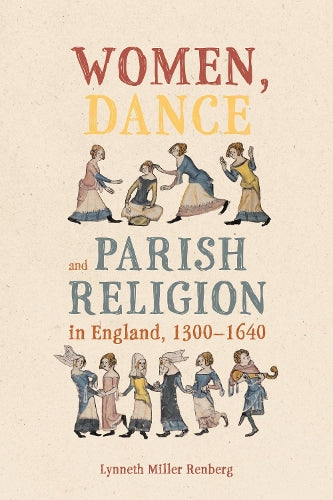

Women, Dance and Parish Religion in England, 1300-1640
Couldn't load pickup availability
Collapsible content
DESCRIPTION
Negotiating the Steps of Faith
A lively exploration of the medieval and early modern attitudes towards dance, as the perception of dancers changed from saints dancing after Christ to cows dancing after the devil.
A lively exploration of the medieval and early modern attitudes towards dance, as the perception of dancers changed from saints dancing after Christ into cows dancing after the devil.The devil's cows, impudent camels, or damsels animated by the devil: late medieval and early modern authors used these descriptors and more to talk about dancers, particularly women. Yet, dance was not always considered entirely sinful or connected primarily to women: in some early medieval texts, dancers were exhorted to dance to God, arm-in-arm with their neighbors, and parishes were filled with danced expressions of faith. What led to the transformation of dancers from saints dancing after Christ into cows dancing after the devil? Drawing on the evidence from medieval and early modern sermons, and in particular the narratives of the cursed carolers and the dance of Salome, this book explores these changing understandings of dance as they relate to religion, gender, sin, and community within the English parish. In parishes both before and during the English Reformations, dance played an integral role in creating, maintaining, uniting, or fracturing community. But as theological understandings of sacrilege, sin, and proper worship changed, the meanings of dance and gender shifted as well. Redefining dance had tangible ramifications for the men and women of the parish, as new definitions of what it meant to perform one's gender collided with discourses about holiness and transgression, leading to closer scrutiny and monitoring of the bodies of the faithful.
DELIVERY & RETURNS
UK Delivery:
- Free delivery on all orders of £10 or more.
- £1.49 delivery fee on orders below £10.
- UK orders are shipped via Royal Mail 2nd Class.
International Delivery:
- Flat rate delivery charges vary by country.
Dispatch and Delivery Times:
- All orders are shipped from our warehouse in Northampton, UK within 48 hours of receipt during working hours.
- UK mainland orders typically arrive within 3-5 working days via Royal Mail 2nd Class.
- International estimated delivery times:
- Europe & Channel Islands: 7 to 10 working days
- USA: 7 to 15 working days
- Rest of the World: 9 to 21 working days
View our full delivery infomation here.
-
OVER
2 MILLION PRODUCTS
-
60 MILLION CUSTOMERS
ACROSS 190 COUNTRIES
You might also like
Loading recommendations...