

From Schmelt Camp to "Little Auschwitz
From Schmelt Camp to "Little Auschwitz
Blechhammer's Role in the Holocaust
Paperback
Couldn't load pickup availability
Join our rewards scheme and earn reward points on this purchase!
Earn points on this!
Sign in or Sign up!- Release Date: 15/08/2024
- Barcode: 9781612499550
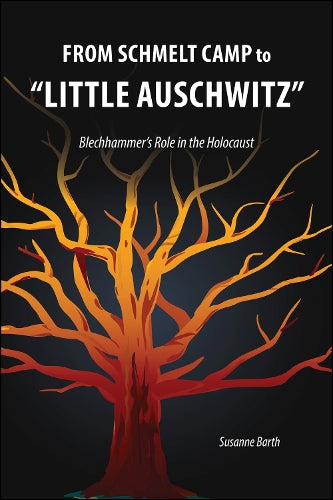

From Schmelt Camp to "Little Auschwitz
Couldn't load pickup availability
Collapsible content
DESCRIPTION
Blechhammer's Role in the Holocaust Established in the spring of 1942 to construct a synthetic fuel plant, the camp's abhorrent living conditions led to the death of thousands of young Jews conscripted from the ghettos or taken off deportation convoys from Western Europe. Blechhammer was not only used for selecting parts of the Jewish ghetto population for Auschwitz, but also for killing pregnant women and babies. As an Auschwitz satellite, Blechhammer became the scene of brutal executions and massacres of prisoners refusing to go on the Death March. This microhistory unearths the far-reaching complicity of often overlooked perpetrators, such as the industrialists, factory guards, policemen, and "ordinary" civilians in these atrocities, but more importantly, it focuses on the victims, reconstructing the prisoners' daily life and suffering, as well as their survival strategies.
Drawing on previously untapped archival documents and a wide array of survivor testimonies, this is the first in-depth study of the second largest Auschwitz subcamp, Blechhammer, and its lesser known yet significant prehistory as forced labour camp for Jews operating outside the concentration camp system.
From Schmelt Camp to "Little Auschwitz": Blechhammer's Role in the Holocaust is the first in-depth study of the second largest Auschwitz subcamp, Blechhammer (Blachownia Śląska), and its lesser known yet significant prehistory as a so-called Schmelt camp, a forced labor camp for Jews operating outside the concentration camp system. Drawing on previously untapped archival documents and a wide array of survivor testimonies, the book provides novel findings on Blechhammer's role in the Holocaust in Eastern Upper Silesia, a formerly Polish territory annexed to Nazi Germany in the fall of 1939, where 120,000 Jews lived.
DELIVERY & RETURNS
UK Delivery:
- Free delivery on all orders of £10 or more.
- £1.49 delivery fee on orders below £10.
- UK orders are shipped via Royal Mail 2nd Class.
International Delivery:
- Flat rate delivery charges vary by country.
Dispatch and Delivery Times:
- All orders are shipped from our warehouse in Northampton, UK as soon as stock is available.
- UK mainland orders typically arrive within 3-7 working days via Royal Mail 2nd Class.
- International estimated delivery times:
- Europe & Channel Islands: 7 to 10 working days
- USA: 7 to 15 working days
- Rest of the World: 9 to 30 working days
View our full delivery infomation here.
-
OVER
2 MILLION PRODUCTS
-
60 MILLION CUSTOMERS
ACROSS 190 COUNTRIES
You might also like
Loading recommendations...