

The Musical Lives of Charles Manson
The Musical Lives of Charles Manson
The Beatles, the Beach Boys, and the Invention of the Sixties —or, No Sense Makes Sense
Paperback
Couldn't load pickup availability
Join our rewards scheme and earn reward points on this purchase!
Earn points on this!
Sign in or Sign up!- Release Date: 08/01/2026
- Barcode: 9781501384554
- Genre: Entertainment & The Arts
- Sub-Genre: Music Theory & Performance
- Imprint: Bloomsbury Academic
- Publisher: Bloomsbury Publishing
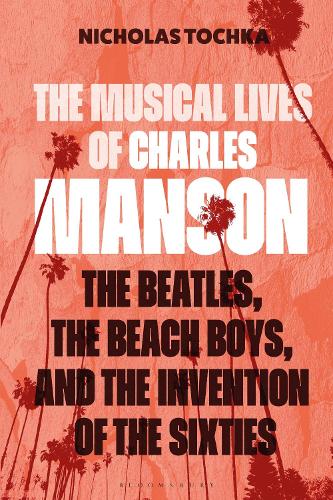

The Musical Lives of Charles Manson
Couldn't load pickup availability
Collapsible content
DESCRIPTION
The Beatles, the Beach Boys, and the Invention of the Sixties —or, No Sense Makes Sense Nicholas Tochka analyzes the role of rock music in the life of Charles Manson, the Family, and the August 1969 Tate-LaBianca killings, which also gives larger insight into Sixties counterculture.
Analyzes the relationship between Charles Manson, music, and 1960's counterculture.
Failed singer-songwriter. Devious cult leader. A rock Pied Piper. The product of a sick society. Just another dime-a-dozen singing hippy mystic. Did the guitar-playing guru personify the violence that the rock counterculture inflicted on America? Or did his music diagnose the dehumanizing effects of that society’s broken institutions?
For over five decades, commentators have debated the meaning of Charles Manson and the Tate-LaBianca killings. Rock music links their narratives: from the aciddrenched singalongs at the Spahn Movie Ranch, to a bizarre theology centered on Beatles songs, to his commune’s alleged links with Hollywood’s elite, to an album, LIE: The Love and Terror Cult (1970). In this first comprehensive examination of the Manson Family’s music, Nicholas Tochka writes with, against, and alongside the many authors—true-crime hacks, gonzo journalists, conspiracy theorists, and rock critics alike—who have told and retold the story of “the Manson murders.” Playing the truth games that these postwar Americans helped invent, The Musical Lives of Charles Manson presents a new take on the story of the commune—and on rock’s role in fracturing the possibility of writing trustworthy histories after the Sixties.
“They are afraid of it, because it tells the truth,” Manson once claimed, describing his music. Just what truths did the Manson Family’s music-making tell?
DELIVERY & RETURNS
UK Delivery:
- Free delivery on all orders of £10 or more.
- £1.49 delivery fee on orders below £10.
- UK orders are shipped via Royal Mail 2nd Class.
International Delivery:
- Flat rate delivery charges vary by country.
Dispatch and Delivery Times:
- All orders are shipped from our warehouse in Northampton, UK within 48 hours of receipt during working hours.
- UK mainland orders typically arrive within 3-5 working days via Royal Mail 2nd Class.
- International estimated delivery times:
- Europe & Channel Islands: 7 to 10 working days
- USA: 7 to 15 working days
- Rest of the World: 9 to 21 working days
View our full delivery infomation here.
-
OVER
2 MILLION PRODUCTS
-
60 MILLION CUSTOMERS
ACROSS 190 COUNTRIES
You might also like
Loading recommendations...