

Advances in Forensic Human Identification
Advances in Forensic Human Identification
Hardback
Couldn't load pickup availability
Join our rewards scheme and earn reward points on this purchase!
Earn points on this!
Sign in or Sign up!- Release Date: 24/01/2014
- Barcode: 9781439825143
- Genre: Society & Culture
- Subgenre: Social Sciences

Advances in Forensic Human Identification
Couldn't load pickup availability
Collapsible content
DESCRIPTION
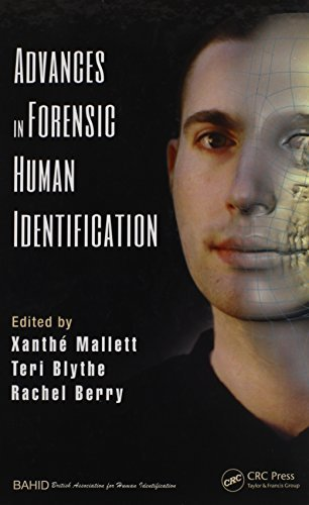
A supplemental follow-up to Forensic Human Identification: An Introduction, this volume covers advances in the most well-known scientific techniques and discusses developing subjects and modalities of human identification. It looks at several issues beyond physical identification of human remains or offenders. It examines online, sexual, As forensic human identification receives increased global attention, practitioners, policy makers, and students need an appropriate resource that describes current methods and modalities that have shaped today’s policies and protocols. A supplemental follow-up to Forensic Human Identification: An Introduction, Advances in Forensic Human Identification covers advances in the most well-known scientific techniques and discusses new and developing subjects and modalities of human identification. A collection of contributions from worldwide experts, the book embraces a broad context and looks at several issues beyond physical identification of human remains or offenders. The book examines online, sexual, and biometric identities and discusses problems associated with investigative practice, such as the developing use of the Internet as a distribution and communication medium for criminal activities. It also explores miscarriages of justice that can result from flawed applications or interpretations of forensic evidence. Finally, it looks at the future of forensic science in the United Kingdom in light of financial challenges and the closure of the Forensic Science Service. Where appropriate, case studies illustrate the use of techniques and the associated problems described in the text. The downloadable resources include images in full color. This volume provides an important contribution to the ongoing practitioner and academic debates surrounding the application of forensic technologies. The insight presented is destined to springboard further inquiry into enhanced techniques and underlies the need for more research into the appropriate use of identification techniques to solve the mysteries of the unknown.
DELIVERY & RETURNS
UK Delivery:
- Free delivery on all orders of £10 or more.
- £1.49 delivery fee on orders below £10.
- UK orders are shipped via Royal Mail 2nd Class.
International Delivery:
- Flat rate delivery charges vary by country.
Dispatch and Delivery Times:
- All orders are shipped from our warehouse in Northampton, UK as soon as stock is available.
- UK mainland orders typically arrive within 3-7 working days via Royal Mail 2nd Class.
- International estimated delivery times:
- Europe & Channel Islands: 7 to 10 working days
- USA: 7 to 15 working days
- Rest of the World: 9 to 30 working days
View our full delivery infomation here.
-
OVER
2 MILLION PRODUCTS
-
60 MILLION CUSTOMERS
ACROSS 190 COUNTRIES
You might also like
Loading recommendations...