

Yorùbá Art and Aesthetics
Yorùbá Art and Aesthetics
Hardback
Couldn't load pickup availability
Join our rewards scheme and earn reward points on this purchase!
Earn points on this!
Sign in or Sign up!- Release Date: 10/07/2025
- Barcode: 9781350476110
- Genre: Philosophy & Spirituality
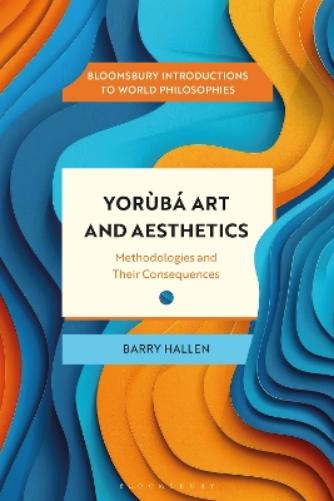

Yorùbá Art and Aesthetics
Couldn't load pickup availability
Collapsible content
DESCRIPTION
Methodologies and Their Consequences An introduction to the art and aesthetics of southwest Nigeria using the writings of Yorùbá scholars and artists who have made these subjects their special interest over the last forty years.
Leading Yoruba scholars and artists show how to and how not to understand the art of an African culture.
Barry Hallen brings together the writings of four pioneering Yorùbá thinkers who write about the art and aesthetics of their own culture: J.R.O. Ojo, Babatunde Lawal, Rowland Abiodun and Wole Soyinka. All were based at the Obafemi Awolowo University, named Great Ife because of the faculty and students' conviction that it was committed to achieving all of the great things that a university community can. Each is responsible for developing indigenous concepts in which African art derives its importance and meanings in the world.
Never before has their work been set side-by-side. By treating their work as interrelated we see how when combined they offer a better and higher level of understanding of that remarkable and fascinating form of life associated with the name Yorùbá. Each chapter provides a ‘taste’ of their philosophy as they reveal what they have to say about how they view and value their art internal to their culture.
Hallen places attention on the methodologies each of them uses to arrive at and defend their ideas. Together they tell a story about how badly things can go when human cultures believe they are categorically different from one another. They also argue that the more comprehensive one’s experience and knowledge of the culture is, the better one is prepared to appreciate the conception and interpretation of its art.
This is the first book of its kind to take such a discursive and analytic approach to Yorùbá art and aesthetics. Disentangling African art from Eurocentric stereotypes, it represents exciting new scholarship in the disciplines that have come to be known as African philosophy and African art history.
DELIVERY & RETURNS
UK Delivery:
- Free delivery on all orders of £10 or more.
- £1.49 delivery fee on orders below £10.
- UK orders are shipped via Royal Mail 2nd Class.
International Delivery:
- Flat rate delivery charges vary by country.
Dispatch and Delivery Times:
- All orders are shipped from our warehouse in Northampton, UK within 48 hours of receipt during working hours.
- UK mainland orders typically arrive within 3-5 working days via Royal Mail 2nd Class.
- International estimated delivery times:
- Europe & Channel Islands: 7 to 10 working days
- USA: 7 to 15 working days
- Rest of the World: 9 to 21 working days
View our full delivery infomation here.
-
OVER
2 MILLION PRODUCTS
-
60 MILLION CUSTOMERS
ACROSS 190 COUNTRIES
You might also like
Loading recommendations...