

A Cultural History of Shopping in the Age of Revolution and Empire
A Cultural History of Shopping in the Age of Revolution and Empire
Hardback
Couldn't load pickup availability
Join our rewards scheme and earn reward points on this purchase!
Earn points on this!
Sign in or Sign up!- Release Date: 27/06/2024
- Barcode: 9781350027008
- Imprint: Bloomsbury Academic
- Publisher: Bloomsbury Publishing
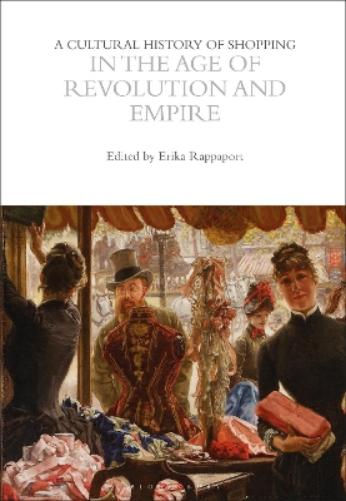

A Cultural History of Shopping in the Age of Revolution and Empire
Couldn't load pickup availability
Collapsible content
DESCRIPTION
This volume examines the development of shopping as a cultural practice in the period 1820 to 1920. A Cultural History of Shopping was a Library Journal Best in Reference selection for 2022.
Shopping emerged as a special pleasure and problem during the period between the revolutionary upheavals of the late 18th century and the opening salvoes of the Great War. New shops, new products, new class and gender ideologies, new standards of comfort and hygiene, and rising living standards for some meant that people, especially women, spent more time shopping and engaging in consumer-oriented activities beyond the walls of the shop. At the same time, social commentators, local and national authorities, economists, and many husbands became concerned about the ‘dangers’ of shopping, believing that the department store was emancipating women and destroying society in the process. This volume explores shopping in the 19th century as a varied and embedded social, political, economic, and cultural activity. It draws out the continuities with earlier periods as well as examining how the department store came to be seen as both symbol and generator of profound economic, social, and cultural change.
A Cultural History of Shopping in the Age of Revolution and Empire presents an overview of the period with themes addressing practices and processes; spaces and places; shoppers and identities; luxury and everyday; home and family; visual and literary representations; reputation, trust and credit; and governance, regulation and the state.
ADDITIONAL DETAILS
DELIVERY & RETURNS
UK Delivery:
- Free delivery on all orders of £10 or more.
- £1.49 delivery fee on orders below £10.
- UK orders are shipped via Royal Mail 2nd Class.
International Delivery:
- Flat rate delivery charges vary by country.
Dispatch and Delivery Times:
- All orders are shipped from our warehouse in Northampton, UK within 48 hours of receipt during working hours.
- UK mainland orders typically arrive within 3-5 working days via Royal Mail 2nd Class.
- International estimated delivery times:
- Europe & Channel Islands: 7 to 10 working days
- USA: 7 to 15 working days
- Rest of the World: 9 to 21 working days
View our full delivery infomation here.
-
OVER
2 MILLION PRODUCTS
-
60 MILLION CUSTOMERS
ACROSS 190 COUNTRIES
You might also like
Loading recommendations...