

Fostering Wellbeing through Collective Writing Practices
Fostering Wellbeing through Collective Writing Practices
Shut Up & Write! in Higher Education Settings
Paperback
Couldn't load pickup availability
Join our rewards scheme and earn reward points on this purchase!
Earn points on this!
Sign in or Sign up!- Release Date: 18/11/2025
- Barcode: 9781041059851
- Imprint: Routledge
- Publisher: Taylor & Francis
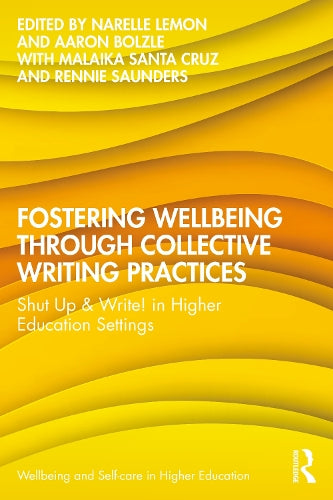

Fostering Wellbeing through Collective Writing Practices
Couldn't load pickup availability
Collapsible content
DESCRIPTION
Shut Up & Write! in Higher Education Settings In this collection, the second of two volumes, the editors offers insights into how Shut Up & Write! (SUAW) sessions are revolutionizing academic practice and nurturing healthier, more connected scholarly communities. This is essential reading for academics, doctoral students, and university administrators. This book explores the transformative power of collaborative writing sessions in fostering wellbeing among academics. In this collection, the second of two volumes, the editors bring together diverse voices from around the globe, offering insights into how Shut Up & Write! (SUAW) sessions are revolutionising academic practice and nurturing healthier, more connected scholarly communities. From remote scholars finding connection to working-class academics addressing unfinished business, this book illuminates the multifaceted benefits of SUAW. It delves into how these sessions build resilience, cultivate passion, boost productivity, and nurture academic identity. The contributors share personal narratives, practical strategies, and critical reflections on how SUAW initiatives are reshaping academic culture. This is essential reading for academics, doctoral students, and university administrators seeking innovative approaches to enhance wellbeing in higher education. It offers a compelling case for integrating SUAW into academic life, demonstrating its potential to combat isolation, foster supportive networks, and promote a more balanced approach to scholarly work.
ADDITIONAL DETAILS
DELIVERY & RETURNS
UK Delivery:
- Free delivery on all orders of £10 or more.
- £1.49 delivery fee on orders below £10.
- UK orders are shipped via Royal Mail 2nd Class.
International Delivery:
- Flat rate delivery charges vary by country.
Dispatch and Delivery Times:
- All orders are shipped from our warehouse in Northampton, UK within 48 hours of receipt during working hours.
- UK mainland orders typically arrive within 3-5 working days via Royal Mail 2nd Class.
- International estimated delivery times:
- Europe & Channel Islands: 7 to 10 working days
- USA: 7 to 15 working days
- Rest of the World: 9 to 21 working days
View our full delivery infomation here.
-
OVER
2 MILLION PRODUCTS
-
60 MILLION CUSTOMERS
ACROSS 190 COUNTRIES
You might also like
Loading recommendations...