

Music, Books and Theatre in Eighteenth-Century Exton
Music, Books and Theatre in Eighteenth-Century Exton
Hardback
Couldn't load pickup availability
Join our rewards scheme and earn reward points on this purchase!
Earn points on this!
Sign in or Sign up!- Release Date: 12/12/2023
- Barcode: 9781032627816
- Genre: Arts & Photography
- Subgenre: Music Dance & Theatre
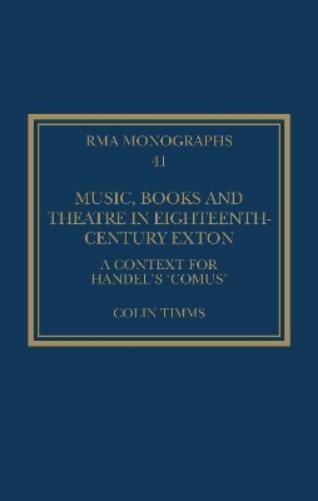

Music, Books and Theatre in Eighteenth-Century Exton
Couldn't load pickup availability
Collapsible content
DESCRIPTION
A Context for Handel's ‘Comus’. This book establishes the cultural background to the productions of Milton’s Comus that were staged in the 1740s by Baptist Noel, 4th Earl of Gainsborough, at Exton Hall, his country seat in the East Midlands of England. This book establishes the cultural background to the productions of Milton’s Comus that were staged in the 1740s by Baptist Noel, 4th Earl of Gainsborough, at Exton Hall, his country seat in the East Midlands of England. The author reveals that Handel’s visit in 1745 occurred in a richer and fuller context of cultural interests among the Noel family. Most of the music at Exton was selected from existing works by Handel, but the four movements of the finale were new, written by the composer specifically for the occasion. The study is based on receipted bills and other documents in an archival collection of Noel family papers that provide evidence of the Earl’s purchase of books and music and of the musical and theatrical activities undertaken on his Exton estate. The author discusses the Earl’s interests in music, books and theatre, indicating a belief in performance as a valuable and enjoyable experience and as a vehicle for the education of the young. In addition to creating a context for Comus, this book sheds light on cultural life in a mid-eighteenth-century English country house and how the Earl’s productions made a significant contribution to the cultural life of the East Midlands. The book will be of great value to cultural musicologists, historians and Handelians, as the documentation sheds a huge amount of light on a variety of cultural practices in eighteenth-century England.
DELIVERY & RETURNS
UK Delivery:
- Free delivery on all orders of £10 or more.
- £1.49 delivery fee on orders below £10.
- UK orders are shipped via Royal Mail 2nd Class.
International Delivery:
- Flat rate delivery charges vary by country.
Dispatch and Delivery Times:
- All orders are shipped from our warehouse in Northampton, UK as soon as stock is available.
- UK mainland orders typically arrive within 3-7 working days via Royal Mail 2nd Class.
- International estimated delivery times:
- Europe & Channel Islands: 7 to 10 working days
- USA: 7 to 15 working days
- Rest of the World: 9 to 30 working days
View our full delivery infomation here.
-
OVER
2 MILLION PRODUCTS
-
60 MILLION CUSTOMERS
ACROSS 190 COUNTRIES
You might also like
Loading recommendations...