

Decolonising Counselling and Psychotherapy
Decolonising Counselling and Psychotherapy
Depoliticised Pathways Towards Intersectional Practice
Paperback
Couldn't load pickup availability
Join our rewards scheme and earn reward points on this purchase!
Earn points on this!
Sign in or Sign up!- Release Date: 04/03/2025
- Barcode: 9781032614335
- Imprint: Routledge
- Publisher: Taylor & Francis
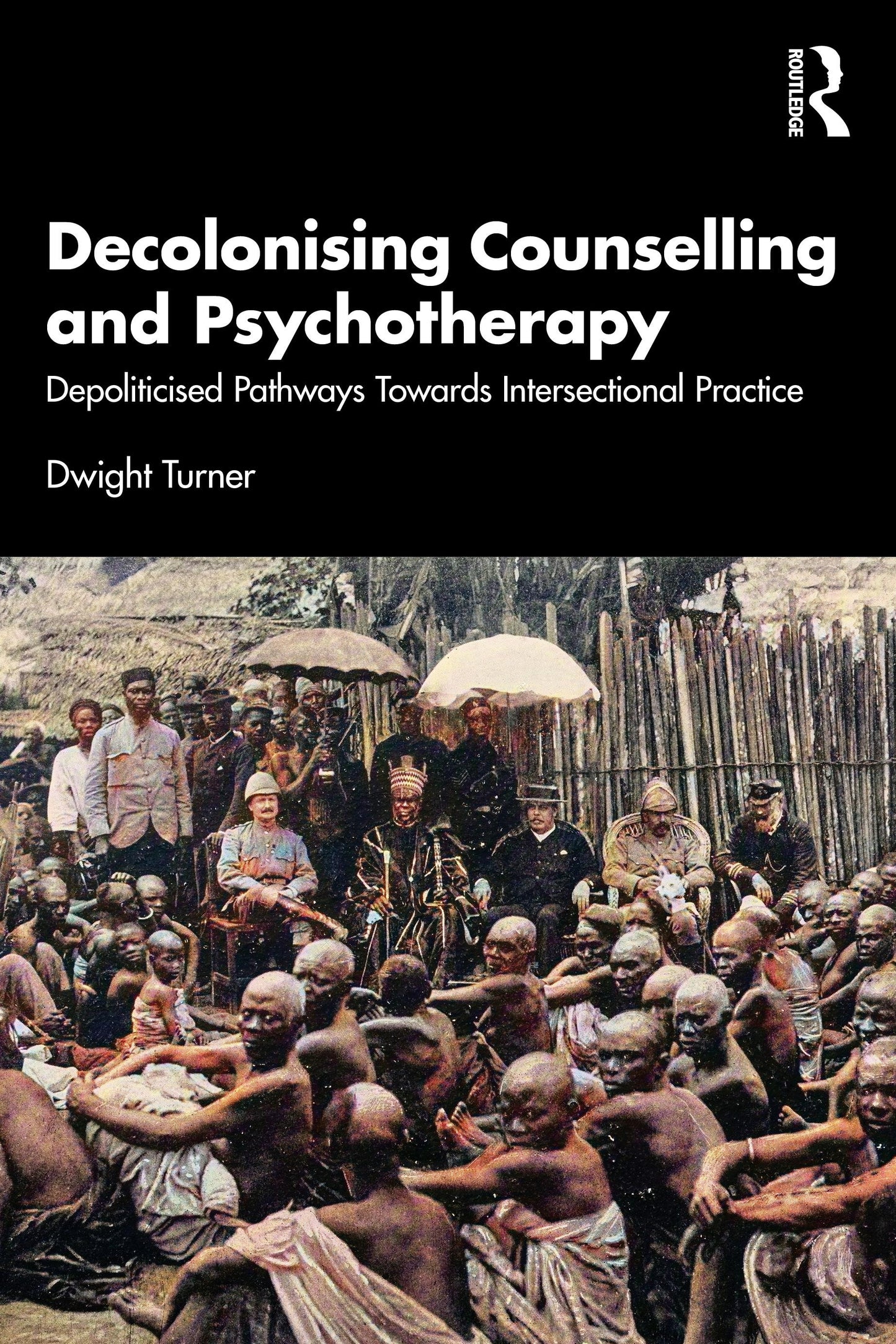

Decolonising Counselling and Psychotherapy
Couldn't load pickup availability
Collapsible content
DESCRIPTION
Depoliticised Pathways Towards Intersectional Practice Decolonising Counselling and Psychotherapy considers the ways in which the systems of colonization have taken over and are continually reconstituted within our profession. This book will be invaluable to counsellors, psychotherapists and psychologists, and to those who want to make helping professions more inclusive and equitable. Decolonisation is a term which has become a modern day buzzword as we look to understand the influences of the systemic structures of oppression which have molded all of our identities, yet, in the worlds of counselling and psychotherapy there has been a struggle to understand what this term means in regard to our profession. Decolonising Counselling and Psychotherapy considers the ways in which the systems of colonization have taken over and are continually reconstituted within our profession. This book challenges our profession, by offering practical ways in which we might diversify our practices, proffering varying perspectives about how to create pathways for greater inclusion in training courses, and examines the many opportunities to explore and expand the ways in which we undertake research. Most importantly, it will encourage the therapist to look at the internalised experiences of colonisation on themselves. The book shows that working creatively with techniques common to counselling and psychotherapy could lead the profession to not only broaden out what it knows and understands of human nature, but through a process of decolonisation, assist in meeting the needs of a wider range of clients. This book will be invaluable to counsellors, psychotherapists and psychologists working in the helping professions, and to those whose activism drives them to want to make our helping professions more inclusive and equitable.
DELIVERY & RETURNS
UK Delivery:
- Free delivery on all orders of £10 or more.
- £1.49 delivery fee on orders below £10.
- UK orders are shipped via Royal Mail 2nd Class.
International Delivery:
- Flat rate delivery charges vary by country.
Dispatch and Delivery Times:
- All orders are shipped from our warehouse in Northampton, UK as soon as stock is available.
- UK mainland orders typically arrive within 3-7 working days via Royal Mail 2nd Class.
- International estimated delivery times:
- Europe & Channel Islands: 7 to 10 working days
- USA: 7 to 15 working days
- Rest of the World: 9 to 30 working days
View our full delivery infomation here.
-
OVER
2 MILLION PRODUCTS
-
60 MILLION CUSTOMERS
ACROSS 190 COUNTRIES
You might also like
Loading recommendations...