

Comparative Psychology and Educational Outcomes
Comparative Psychology and Educational Outcomes
Lessons from Project Nim
Paperback
Couldn't load pickup availability
Join our rewards scheme and earn reward points on this purchase!
Earn points on this!
Sign in or Sign up!- Release Date: 13/08/2024
- Barcode: 9781032571638
- Imprint: Routledge
- Publisher: Taylor & Francis
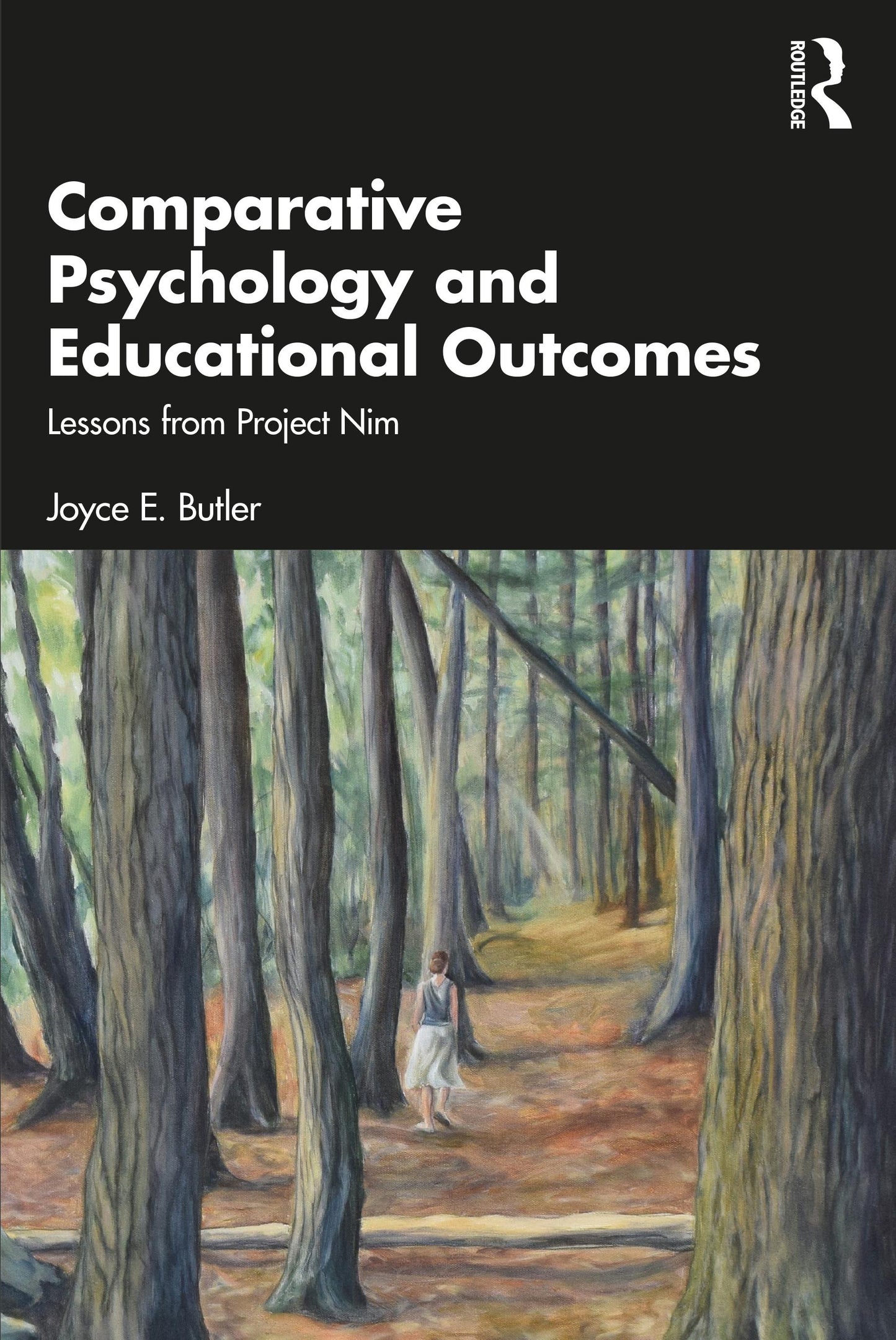

Comparative Psychology and Educational Outcomes
Couldn't load pickup availability
Collapsible content
DESCRIPTION
Lessons from Project Nim Comparative Psychology and Educational Outcomes is designed to empower educators to lead with wisdom, strengthen their belief that all students can learn at high standards, and create a vision of excellence that becomes actionable, allowing us to be difference makers in the lives of all learners. Comparative Psychology and Educational Outcomes is designed to empower educators to lead with wisdom, strengthen their belief that all students can learn at high standards, and create a vision of excellence that becomes actionable, allowing us to be difference makers in the lives of all learners. The framework of the Logic Model creates a road map for how to analyse the effectiveness of our instruction. This model offers a systematic approach for determining the root cause analysis of an identified challenge, avoiding the pitfall of enacting a solution before we have named the challenge, thereby perpetuating inadequate learning outcomes. This text presents case studies to demonstrate how this analytic process can be used to examine and strengthen literacy and social intelligence skills, including the exploration of a variety of teaching and learning frameworks. This text builds a bridge between the research and a school’s identified challenge, allowing for systemic and systematic change that meets the needs of the identified challenge, guided by the experts in our field. Connecting evidence-based strategies with day-to-day practice, this book is aimed at educational leaders (principals, superintendents, special education directors, teachers) in their role as practitioners and those working toward their certifications in the university setting.
DELIVERY & RETURNS
UK Delivery:
- Free delivery on all orders of £10 or more.
- £1.49 delivery fee on orders below £10.
- UK orders are shipped via Royal Mail 2nd Class.
International Delivery:
- Flat rate delivery charges vary by country.
Dispatch and Delivery Times:
- All orders are shipped from our warehouse in Northampton, UK as soon as stock is available.
- UK mainland orders typically arrive within 3-7 working days via Royal Mail 2nd Class.
- International estimated delivery times:
- Europe & Channel Islands: 7 to 10 working days
- USA: 7 to 15 working days
- Rest of the World: 9 to 30 working days
View our full delivery infomation here.
-
OVER
2 MILLION PRODUCTS
-
60 MILLION CUSTOMERS
ACROSS 190 COUNTRIES
You might also like
Loading recommendations...