

Corporate Ethics and the Architecture of Asylum
Corporate Ethics and the Architecture of Asylum
Offshore Processing at Manus Island, Papua New Guinea and Nauru
Hardback
Couldn't load pickup availability
Join our rewards scheme and earn reward points on this purchase!
Earn points on this!
Sign in or Sign up!- Release Date: 10/09/2025
- Barcode: 9781032461984
- Imprint: Routledge
- Publisher: Taylor & Francis
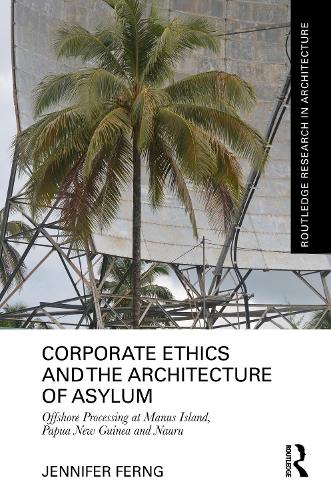

Corporate Ethics and the Architecture of Asylum
Couldn't load pickup availability
Collapsible content
DESCRIPTION
Offshore Processing at Manus Island, Papua New Guinea and Nauru Corporate Ethics and the Architecture of Asylum engages innovative perspectives to understand our contemporary crisis of forced displacement and detention practices in the Pacific. Corporate Ethics and the Architecture of Asylum engages innovative perspectives to understand our contemporary crisis of forced displacement and detention practices in the Pacific. Multinational contractors responsible for the construction and maintenance of regional processing centres in Papua New Guinea and Nauru have flourished as powerful historical actors, exerting global dominance over the lives of asylum seekers wishing to come to Australia. Transitioning from the policeman or security guard towards the subject of the asylum seeker, this book contends that entanglements between architecture and law represent important epistemic models to interrogate how asylum can be understood and reconceptualised. Proposing diverse forms of visual and textual evidence, asylum is repositioned as a dynamic, ever-changing countermeasure against xenophobic sentiments around offshore processing. Over six chapters, Corporate Ethics examines how the regional processing centres of Manus Island and Nauru are deeply connected to the intellectual discourses of care, environmental precarity, human rights, and sovereignty. From Rembrandt’s De Nachtwacht or Night Watch (1642) to recent advancements in artificial intelligence and legal testimonies, picturing the future of asylum serves as a critical tool to resist state authoritarianism and the rise of corporate malfeasance in the built environment. This book will be of interest to researchers and students of humanitarian architecture, architectural history, and Asia Pacific politics. Recommended reading by the Migration Policy Institute, United States.
DELIVERY & RETURNS
UK Delivery:
- Free delivery on all orders of £10 or more.
- £1.49 delivery fee on orders below £10.
- UK orders are shipped via Royal Mail 2nd Class.
International Delivery:
- Flat rate delivery charges vary by country.
Dispatch and Delivery Times:
- All orders are shipped from our warehouse in Northampton, UK as soon as stock is available.
- UK mainland orders typically arrive within 3-7 working days via Royal Mail 2nd Class.
- International estimated delivery times:
- Europe & Channel Islands: 7 to 10 working days
- USA: 7 to 15 working days
- Rest of the World: 9 to 30 working days
View our full delivery infomation here.
-
OVER
2 MILLION PRODUCTS
-
60 MILLION CUSTOMERS
ACROSS 190 COUNTRIES
You might also like
Loading recommendations...