

Supporting Physiological Birth Choices in Midwifery Practice
Supporting Physiological Birth Choices in Midwifery Practice
The Role of Workplace Culture, Politics and Ethics
Paperback
Couldn't load pickup availability
Join our rewards scheme and earn reward points on this purchase!
Earn points on this!
Sign in or Sign up!- Release Date: 28/02/2023
- Barcode: 9781032208275
- Imprint: Routledge
- Publisher: Taylor & Francis
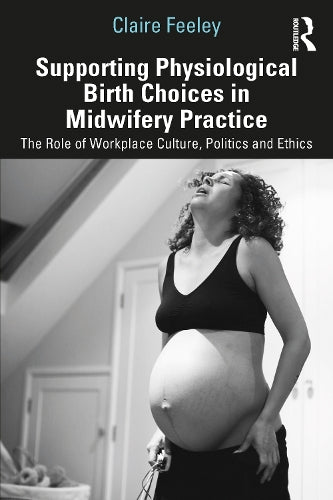

Supporting Physiological Birth Choices in Midwifery Practice
Couldn't load pickup availability
Collapsible content
DESCRIPTION
The Role of Workplace Culture, Politics and Ethics Highlighting the experiences of midwives who provide care to women opting outside of guidelines in the pursuit of physiological birth, Claire Feeley looks at the impact on midwives themselves, and explores how teams and organisations can support or discourage the promotion of women’s birth choices. Highlighting the experiences of midwives who provide care to women opting outside of guidelines in the pursuit of physiological birth, Claire Feeley looks at the impact on midwives themselves, and explores how teams and organisations support or discourage women’s birth choices. This book investigates the processes, experiences and sociocultural-political influences upon midwives who support women’s alternative birthing choice and argues for a shift in perspective from notions of an individual’s professional responsibility to deliver woman-centred care, to a broader, collective responsibility. The book begins by contextualising the importance of quality midwifery care with an exploration of the current debates to demonstrate how hegemonic birth discourse and maternity practices have detrimentally affected physiological birth rates, and the wellbeing of women who opt outside of maternity guidelines. It provides real life examples of how midwives can facilitate a range of birthing decisions within mainstream midwifery services. Moreover, an exploration of midwives’ experiences of delivering such care is presented, revealing deeply polarised accounts from moral injury to job fulfilment. The polarised accounts are then presented within a new model to explore how a midwife’s socio-political working context can significantly mediate or exacerbate the vulnerability, conflict and stigmatisation that they may experience as a result of supporting alternative birth choices. Finally, this book explores the implications of the findings, looking at how team and organisational culture can be developed to better support women and midwives, making recommendations for a systems approach to improving maternity services. Discussing the invisible nature of midwifery work, what it means to deliver woman-centred care, and the challenges and benefits of doing so, this is a thought-provoking read for all midwives and future midwives. It is also an important contribution to interprofessional concerns around workforce development, sustainability, moral distress and compassion in health and social care.
DELIVERY & RETURNS
UK Delivery:
- Free delivery on all orders of £10 or more.
- £1.49 delivery fee on orders below £10.
- UK orders are shipped via Royal Mail 2nd Class.
International Delivery:
- Flat rate delivery charges vary by country.
Dispatch and Delivery Times:
- All orders are shipped from our warehouse in Northampton, UK within 48 hours of receipt during working hours.
- UK mainland orders typically arrive within 3-5 working days via Royal Mail 2nd Class.
- International estimated delivery times:
- Europe & Channel Islands: 7 to 10 working days
- USA: 7 to 15 working days
- Rest of the World: 9 to 21 working days
View our full delivery infomation here.
-
OVER
2 MILLION PRODUCTS
-
60 MILLION CUSTOMERS
ACROSS 190 COUNTRIES
You might also like
Loading recommendations...