

Sex Positivity and White-Sex Supremacy
Sex Positivity and White-Sex Supremacy
Hardback
Couldn't load pickup availability
Join our rewards scheme and earn reward points on this purchase!
Earn points on this!
Sign in or Sign up!- Release Date: 25/08/2023
- Barcode: 9781032015750
- Genre: Society & Culture
- Subgenre: Social Sciences
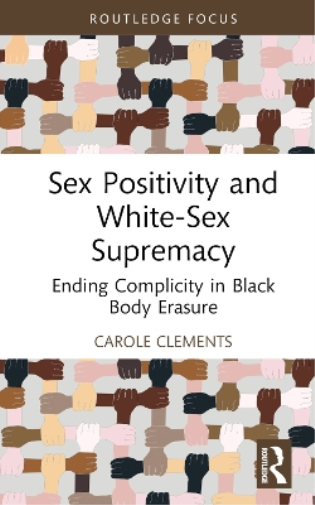

Sex Positivity and White-Sex Supremacy
Couldn't load pickup availability
Collapsible content
DESCRIPTION
Ending Complicity in Black Body Erasure. This text critically examines, argues, and demonstrates how the sex positive movement is complicit in the perpetuation of White Supremacy and anti-black bias in the field of human sexualities, offering white sexuality professionals embodied ethical antiracist strategies for sexual inclusion and transformational change. This text critically examines, argues, and demonstrates how the sex-positive movement is complicit in the perpetuation of White Supremacy and anti-black bias in the field of human sexualities, offering white sexuality professionals embodied ethical antiracist strategies for sexual inclusion and transformational change. In a world where whiteness is considered the sexual and bodily norm, Carole Clements proposes that the sex-positive movement has failed to examine how it maintains White Supremacy through the guise of inclusivity, and how the lack of a critical understanding of what "sex-positive" means has caused harm to black, indigenous, and people of color (BIPOC) individuals and communities alike. Pivoting away from a sex-positive/sex-negative binary, this book establishes a sex-critical discourse by introducing and operationalizing the term "White-sex Supremacy" to produce a racially just and embodied sexual ethic. Chapters begin by looking at sexual science and its racial origins, recounting how both the science of sex and that of race strived for positivist legitimacy in the same historical moment. Moving from the social construction of racial and sexual hierarchies, chapters look at eugenics and sexology’s early "sex-positive" pioneers, such as Margaret Sanger and Havelock Ellis, before examining the establishment of a race-evasive yet distinctly white sexual normality reliant on sex-positive framing. It shows how sex positivity became a popularized term without a clear definition other than "good," and how the legacy of white fragility leads to complicit white silence and the erasure of Black sexualities. Theoretical, practical, and accessible, it offers tangible methods for white sexuality professionals and scholars to learn accompliceship (over allyship) to promote antiracist sexual justice activism. This book is essential reading for white sexuality professionals, including sex educators, sex therapists, marriage and family therapists, licensed professional counselors, psychotherapists, gynecologists, and nurses, who are committed to examining their whiteness in the context of their commitment to sex positivity.
DELIVERY & RETURNS
UK Delivery:
- Free delivery on all orders of £10 or more.
- £1.49 delivery fee on orders below £10.
- UK orders are shipped via Royal Mail 2nd Class.
International Delivery:
- Flat rate delivery charges vary by country.
Dispatch and Delivery Times:
- All orders are shipped from our warehouse in Northampton, UK as soon as stock is available.
- UK mainland orders typically arrive within 3-7 working days via Royal Mail 2nd Class.
- International estimated delivery times:
- Europe & Channel Islands: 7 to 10 working days
- USA: 7 to 15 working days
- Rest of the World: 9 to 30 working days
View our full delivery infomation here.
-
OVER
2 MILLION PRODUCTS
-
60 MILLION CUSTOMERS
ACROSS 190 COUNTRIES
You might also like
Loading recommendations...