

Maria of Austria, Holy Roman Empress (1528-1603)
Maria of Austria, Holy Roman Empress (1528-1603)
Hardback
Couldn't load pickup availability
Join our rewards scheme and earn reward points on this purchase!
Earn points on this!
Sign in or Sign up!- Release Date: 01/11/2021
- Barcode: 9780367646608
- Genre: History
- Subgenre: Biography
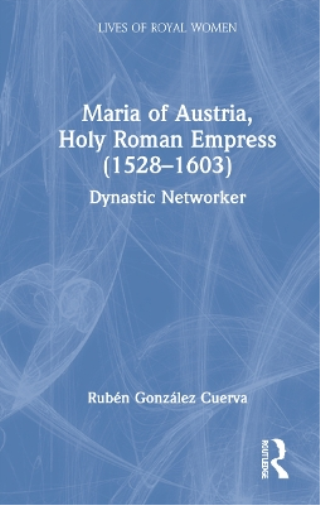

Maria of Austria, Holy Roman Empress (1528-1603)
Couldn't load pickup availability
Collapsible content
DESCRIPTION
Dynastic Networker. Maria of Austria was one of the longest surviving Renaissance Empresses but until now has received little attention by biographers. This book explores her life, actions, and management of domestic affairs, which became a feared example of how an Empress could control alternative spheres of power. Maria of Austria was one of the longest surviving Renaissance Empresses but until now has received little attention by biographers. This book explores her life, actions, and management of domestic affairs, which became a feared example of how an Empress could control alternative spheres of power. The volume traces the path of a Castilian orphan infanta, raised among her mother’s Portuguese ladies-in-waiting and who spent thirty years of marriage between the imperial courts of Prague and Vienna. Empress Maria encapsulates the complex dynastic functioning of the Habsburgs: devotedly married to her cousin Maximilian II, Maria had constant communication with her father Charles V and her brother Philip II while preserving her Spanish background. Her unique intertwining of roles and positions allows a fresh approach to female agency and the discussion of current issues: the rules of dynastic entente, the negotiation of discreet political roles for royal women, the reassessment of informal diplomacy, and the creation of dynastic networks parallel to the embassies. With chronological chapters discussing Empress Maria’s roles such as infanta, regent, Empress, and a widow, this volume is the perfect resource for scholars and students interested in the history of gender, court culture, and early modern Central Europe.
DELIVERY & RETURNS
UK Delivery:
- Free delivery on all orders of £10 or more.
- £1.49 delivery fee on orders below £10.
- UK orders are shipped via Royal Mail 2nd Class.
International Delivery:
- Flat rate delivery charges vary by country.
Dispatch and Delivery Times:
- All orders are shipped from our warehouse in Northampton, UK within 48 hours of receipt during working hours.
- UK mainland orders typically arrive within 3-5 working days via Royal Mail 2nd Class.
- International estimated delivery times:
- Europe & Channel Islands: 7 to 10 working days
- USA: 7 to 15 working days
- Rest of the World: 9 to 21 working days
View our full delivery infomation here.
-
OVER
2 MILLION PRODUCTS
-
60 MILLION CUSTOMERS
ACROSS 190 COUNTRIES
You might also like
Loading recommendations...