

Dramma per Musica
Dramma per Musica
Hardback
Couldn't load pickup availability
Join our rewards scheme and earn reward points on this purchase!
Earn points on this!
Sign in or Sign up!- Release Date: 22/12/1997
- Barcode: 9780300064544
- Genre: Music Dance & Theatre

Dramma per Musica
Couldn't load pickup availability
Collapsible content
DESCRIPTION
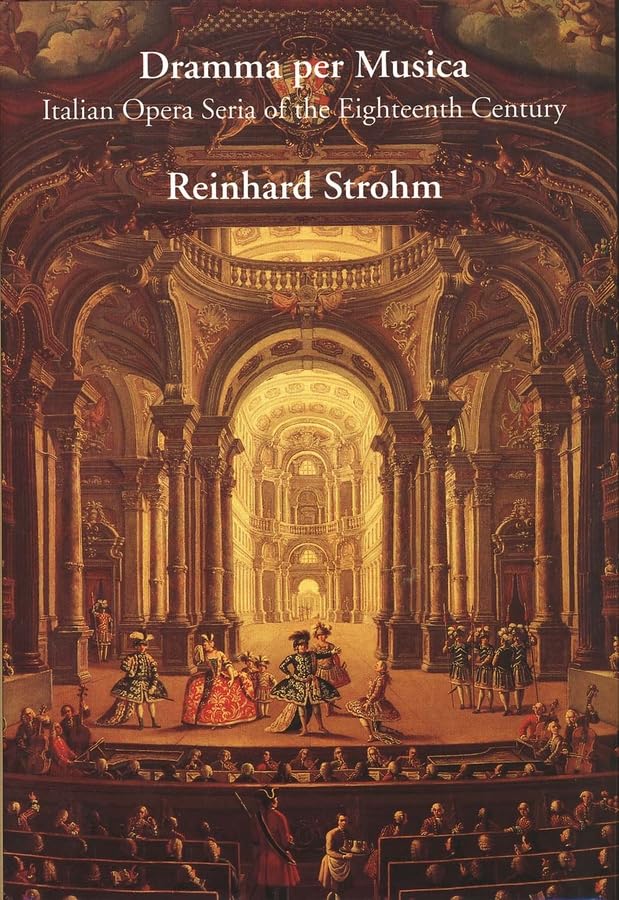
Italian Opera Seria of the Eighteenth Century. Introduces the concept and history of dramma per musica. The text examines the contemporary reception and environment of this operatic tradition, analyzing its social and repertorial patterns and relating it to theories concerning French spoken drama and Italian libretto reform. Dramma per musica—the most usual term for Italian serious opera from the seventeenth to the early nineteenth century—was a modern, enlightened form of theater that presented a unified, artistically designed, dramatic enactment of human stories, expressed by the voice and underscored by the orchestra. This book by one of the world’s most eminent musicologists illustrates the diversity of this baroque art form and explains how it has given us opera as we know it.
Reinhard Strohm introduces the concept and history of dramma per musica and then examines the contemporary reception and environment of this operatic tradition, analyzing its social and repertorial patterns and comparing it to theories on the roles of French spoken drama and Italian libretto reform. In describing the principles observed by poets, composers, and performers, Strohm discusses such central concepts of theory and practice as verisimilitude, decorum, gesture, and rhetoric. He also decodes various works, including Handel’s Ariodante, operas by Hasse, and stage works featuring the Earl of Essex. Throughout the book, Strohm surveys the traditions of the spoken theater and pays special attention to the subject matter of the librettos, as well as to drama theory, stage action, patronage, political history, and ideology. His account covers opera houses in Rome, Naples, Venice, Hamburg, Dresden, Vienna, Madrid, London, and Warsaw, as he follows one character of the dramatic tradition across the European stages for more than two centuries.
Authoritative and enlightening, this book reveals how dramma per musica forms a vital part of our theatrical and musical heritage.
DELIVERY & RETURNS
UK Delivery:
- Free delivery on all orders of £10 or more.
- £1.49 delivery fee on orders below £10.
- UK orders are shipped via Royal Mail 2nd Class.
International Delivery:
- Flat rate delivery charges vary by country.
Dispatch and Delivery Times:
- All orders are shipped from our warehouse in Northampton, UK within 48 hours of receipt during working hours.
- UK mainland orders typically arrive within 3-5 working days via Royal Mail 2nd Class.
- International estimated delivery times:
- Europe & Channel Islands: 7 to 10 working days
- USA: 7 to 15 working days
- Rest of the World: 9 to 21 working days
View our full delivery infomation here.
-
OVER
2 MILLION PRODUCTS
-
60 MILLION CUSTOMERS
ACROSS 190 COUNTRIES
You might also like
Loading recommendations...