

Dostoyevsky, or The Flood of Language
Dostoyevsky, or The Flood of Language
Hardback
Couldn't load pickup availability
Join our rewards scheme and earn reward points on this purchase!
Earn points on this!
Sign in or Sign up!- Release Date: 28/12/2021
- Barcode: 9780231203326
- Genre: Poetry & Drama
- Sub-Genre: Literary Criticism
- Imprint: Columbia University Press
- Publisher: Columbia University Press
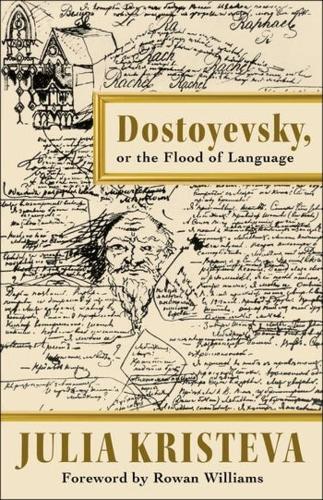

Dostoyevsky, or The Flood of Language
Couldn't load pickup availability
Collapsible content
DESCRIPTION
Julia Kristeva embarks on a wide-ranging and stimulating inquiry into Dostoyevsky’s work and the profound ways it has influenced her own thinking. Reading across his major novels and shorter works, Kristeva offers incandescent insights into the potent themes that draw her back to the Russian master.
Growing up in Bulgaria, Julia Kristeva was warned by her father not to read Dostoyevsky. “Of course, and as usual,” she recalls, “I disobeyed paternal orders and plunged into Dosto. Dazzled, overwhelmed, engulfed.” Kristeva would go on to become one of the most important figures in European intellectual life—and she would return over and over again to Dostoyevsky, still haunted and enraptured by the force of his writing.
In this book, Kristeva embarks on a wide-ranging and stimulating inquiry into Dostoyevsky’s work and the profound ways it has influenced her own thinking. Reading across his major novels and shorter works, Kristeva offers incandescent insights into the potent themes that draw her back to the Russian master: God, otherness, violence, eroticism, the mother, the father, language itself. Both personal and erudite, the book intermingles Kristeva’s analysis with her recollections of Dostoyevsky’s significance in different intellectual moments—the rediscovery of Bakhtin in the Thaw-era Eastern Bloc, the debates over poststructuralism in 1960s France, and today’s arguments about whether it can be said that “everything is permitted.” Brilliant and vivid, this is an essential book for admirers of both Kristeva and Dostoyevsky. It also features an illuminating foreword by Rowan Williams that reflects on the significance of Kristeva’s reading of Dostoyevsky for his own understanding of religious writing.
ADDITIONAL DETAILS
DELIVERY & RETURNS
UK Delivery:
- Free delivery on all orders of £10 or more.
- £1.49 delivery fee on orders below £10.
- UK orders are shipped via Royal Mail 2nd Class.
International Delivery:
- Flat rate delivery charges vary by country.
Dispatch and Delivery Times:
- All orders are shipped from our warehouse in Northampton, UK within 48 hours of receipt during working hours.
- UK mainland orders typically arrive within 3-5 working days via Royal Mail 2nd Class.
- International estimated delivery times:
- Europe & Channel Islands: 7 to 10 working days
- USA: 7 to 15 working days
- Rest of the World: 9 to 21 working days
View our full delivery infomation here.
-
OVER
2 MILLION PRODUCTS
-
60 MILLION CUSTOMERS
ACROSS 190 COUNTRIES
You might also like
Loading recommendations...