


Landscapes of the Learned
Landscapes of the Learned
Hardback
Couldn't load pickup availability
Join our rewards scheme and earn reward points on this purchase!
Earn points on this!
Sign in or Sign up!- Release Date: 04/05/2023
- Barcode: 9780192855749
- Genre: History

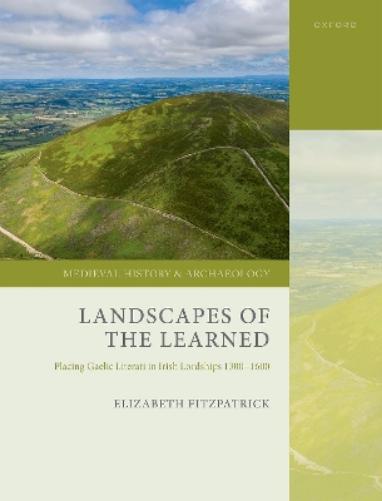

Landscapes of the Learned
Couldn't load pickup availability
Collapsible content
DESCRIPTION
Placing Gaelic Literati in Irish Lordships 1300-1600. Gaelic literati were an elite group in the social hierarchy of late medieval and early modern northern European societies, influencing many areas of public life, including education, law, medicine, farming, culture, and politics. FitzPatrick explores the archaeological and historical records to understand this intellectual culture and exercise of power. Gaelic literati were an elite and influential group in the social hierarchy of Irish lordships between c. 1300 and 1600. From their estates, they served Gaelic and Old English ruling families in the arts of history, law, medicine, and poetry. They farmed, kept guest-houses, conducted schools, and maintained networks of learning. In other capacities, they were involved in political assemblies and memorializing dynastic histories in landscape. This book presents a framework for identifying and interpreting the settings and built heritages of their estates in lordship borderscapes. It shows that a more textured definition of what this learned class represented can be achieved through the material record of the buildings and monuments they used, and where their lands were positioned in the political map. Where literati lived and worked are conceived as expressions of their intellectual and political cultures. Mediated by case studies of the landscapes of their estates, dwellings, and schools, the methodology is predominantly field based, using archaeological investigation and topographic and spatial analyses, and drawing on historical and literary texts, place-names and lore in referencing named people to places. More widely, the study contributes a landscape perspective to the growing body of work on autochthonous intellectual culture and the exercise of power by ruling families in late medieval and early modern northern European societies.
DELIVERY & RETURNS
UK Delivery:
- Free delivery on all orders of £10 or more.
- £1.49 delivery fee on orders below £10.
- UK orders are shipped via Royal Mail 2nd Class.
International Delivery:
- Flat rate delivery charges vary by country.
Dispatch and Delivery Times:
- All orders are shipped from our warehouse in Northampton, UK as soon as stock is available.
- UK mainland orders typically arrive within 3-7 working days via Royal Mail 2nd Class.
- International estimated delivery times:
- Europe & Channel Islands: 7 to 10 working days
- USA: 7 to 15 working days
- Rest of the World: 9 to 30 working days
View our full delivery infomation here.
-
OVER
2 MILLION PRODUCTS
-
60 MILLION CUSTOMERS
ACROSS 190 COUNTRIES
You might also like
Loading recommendations...