

Handbook of Forensic Drug Analysis
Handbook of Forensic Drug Analysis
Hardback
Couldn't load pickup availability
Join our rewards scheme and earn reward points on this purchase!
Earn points on this!
Sign in or Sign up!- Release Date: 31/12/2004
- Barcode: 9780126506419
- Genre: Society & Culture
- Subgenre: Social Sciences
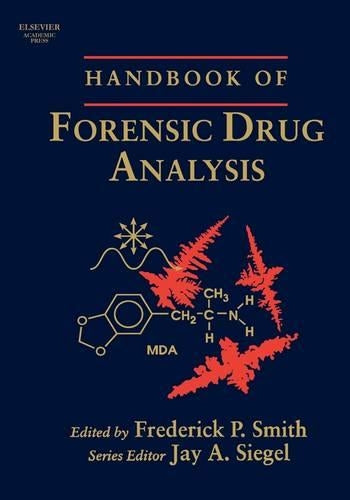

Handbook of Forensic Drug Analysis
Couldn't load pickup availability
Collapsible content
DESCRIPTION
Presents methods and results of forensic drug analyses. This volume includes discussions on the various forms of the drug as well as the origin and nature of samples, how to perform various tests, the use of best practices and the analysis of results. It covers forensic and chemical analytic techniques including immunoassay and gas chromatography.
The Handbook of Forensic Drug Analysis is a comprehensive chemical and analytic reference for the forensic analysis of illicit drugs. With chapters written by leading researchers in the field, the book provides in-depth, up-to-date methods and results of forensic drug analyses. This Handbook discusses various forms of the drug as well as the origin and nature of samples. It explains how to perform various tests, the use of best practices, and the analysis of results. Numerous forensic and chemical analytic techniques are covered including immunoassay, gas chromatography, and mass spectrometry. Topics range from the use of immunoassay technologies for drugs-of-abuse testing, to methods of forensic analysis for cannabis, hallucinogens, cocaine, opioids, and amphetamine. The book also looks at synthetic methods and law enforcement concerns regarding the manufacture of illicit drugs, with an emphasis on clandestine methamphetamine production. This Handbook should serve as a widely used reference for forensic scientists, toxicologists, pharmacologists, drug companies, and professionals working in toxicology testing labs, libraries, and poison control centers. It may also be used by chemists, physicians and those in legal and regulatory professions, and students of graduate courses in forensic science.
DELIVERY & RETURNS
UK Delivery:
- Free delivery on all orders of £10 or more.
- £1.49 delivery fee on orders below £10.
- UK orders are shipped via Royal Mail 2nd Class.
International Delivery:
- Flat rate delivery charges vary by country.
Dispatch and Delivery Times:
- All orders are shipped from our warehouse in Northampton, UK as soon as stock is available.
- UK mainland orders typically arrive within 3-7 working days via Royal Mail 2nd Class.
- International estimated delivery times:
- Europe & Channel Islands: 7 to 10 working days
- USA: 7 to 15 working days
- Rest of the World: 9 to 30 working days
View our full delivery infomation here.
-
OVER
2 MILLION PRODUCTS
-
60 MILLION CUSTOMERS
ACROSS 190 COUNTRIES
You might also like
Loading recommendations...